 11
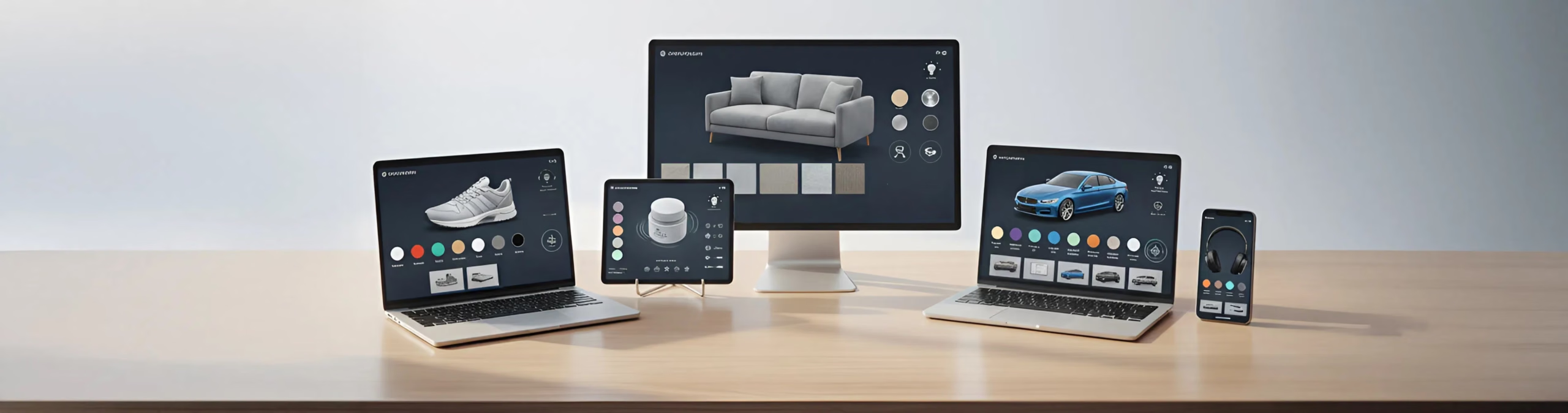
Best Product Configurator it comes to e-commerce and modern shopping, product customization is a key aspect. Customers are no longer satisfied with standard products; they are satisfied with the opportunity to customize according to their preferences, including color, size, material, design, or features. This is where product configurator software can help.
A product configurator is a digital tool that enables customers to make choices and configure a product interactively. These tools can be employed by businesses for displaying a variety of product options, creating precise pricing, and enhancing the shopping experience.
The best product configurators assist companies in providing customized products more efficiently in a variety of settings, such as furniture, vehicles, clothing, electronics, and industrial equipment. However, what tools can help make product customization easier? Let’s talk about the best possible solutions, what they offer, and how to select the most appropriate one.
Best product configurator is a software solution that enables customers to tailor a product to their preferences, based on various features and configurations.
For instance, if you are buying a sofa online, you can select the sofa’s color, fabric, size, and design. These selections are used to update the product preview on the configurator.
Some of the advanced features also include product recommendations, automatic pricing, and 3D visualization.
Product configurators are tools businesses can use to facilitate complex purchasing decisions and help customers understand exactly what they’re buying.
There are a number of software solutions that can assist businesses in producing an interactive product customisation experience. The right one will be determined by the size of the business, complexity of the product, and the budget.
Threekit is the product visualization and configuration platform that enables businesses to develop interactive product experiences.
The features it offers include product visualization, augmented reality experiences, and product customization. Before purchasing, customers can browse the product to check out the choices.
It can be helpful for furniture, fashion, retail, or other businesses where images of the product are important.
Zakeke is one of the platforms for product customization specifically designed to help online stores sell customized products.
It enables 2D and 3D product customisation, live preview, and personalization aspects related to printing.
This type of software can be used by businesses to enhance the online shopping experience, particularly those that sell customized clothing, accessories, gifts, and promotional products.
Kickflip is a business product configurator that enables interactive customization experiences.
While customers are viewing their selections, they can change colors, materials, images, and other features available to them.
It’s especially beneficial for businesses that sell custom products online via their e-commerce websites.
Expivi offers online retailers 3D product configuration and visualization solutions.
It allows customers to personalize products and understand the impact of various features.
Its visualization features could be beneficial for companies that sell furniture, fashion, electronics, or complex products.
Configit is a product configuration solution for businesses that have complex products and manufacturing.
It assists with product rules, product options, and product configuration management in various business processes.
It may be appropriate for businesses that have to handle large product catalogs and complicated customization demands.
When it comes to product configurators, it is necessary to understand the features that are vital for your business.
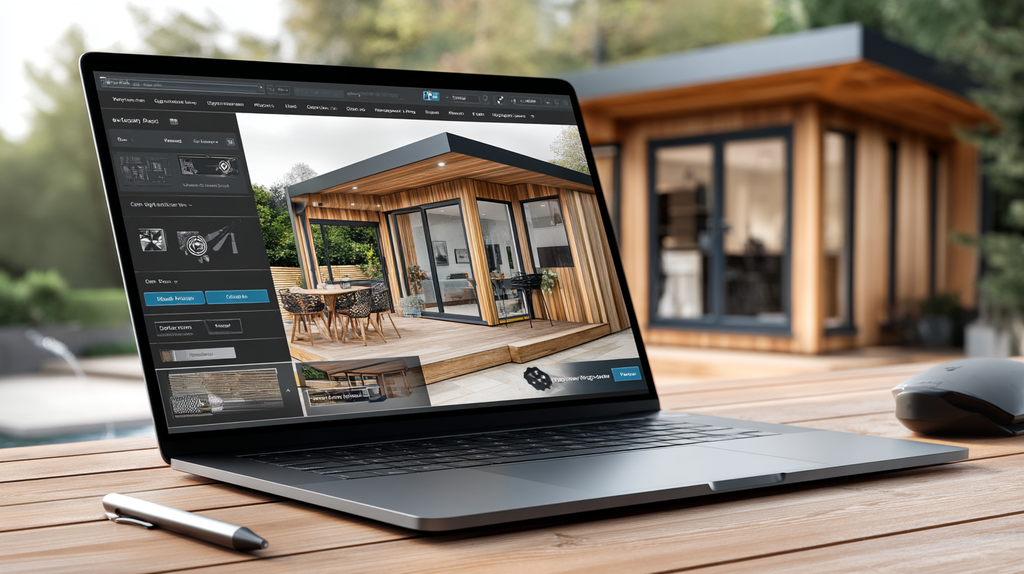
Customers can see products in 3D and from different angles. They are able to look at designs, materials, and colors before ordering items.
This is particularly useful for custom-made gear, furniture, home furnishings, and cars.
The customization options in a great product configurator ought to be simple. The sizes, colours, materials, and other features should be easily available for selection by customers.
A simple interface can enhance the satisfaction of the customers and make the buying process easier.
The product cost is automatically calculated based on customers’ selected features, and the product is updated in real time.
For instance, if they choose higher-quality materials or more features of the product, the final cost may be raised. Demonstrating these changes right away is helpful to customers in making decisions.
Businesses should go with a product configurator that can integrate seamlessly with their current e-commerce systems.
Product customization, shopping carts, payment systems, and order management processes can be integrated to help bring it all together.
A great number of customers are shopping via their smartphones or tablets. Hence, it is important that a product configurator performs correctly on various screen sizes.
Mobile shoppers can customize products more easily with a responsive design.
There are several benefits to using a product configurator if you have a business that sells products that can be customized.
Such benefits are why product configurators are important tools for today’s companies.
Choosing the appropriate software is dependent on your business needs.
The first step is to determine the type of products you sell and the customer needs for customization. A plain clothing shop may need just basic rules for color and design, and an industrial manufacturer might need more in-depth rules for configuration.
After that, check out pricing, features, integration, and technical support. Additionally, you should review the platform’s usability and mobile-friendliness.
Last but not least, try out a demo or trial version prior to making your final decision. This will give you an idea of how the software operates and if it is suitable for your business.
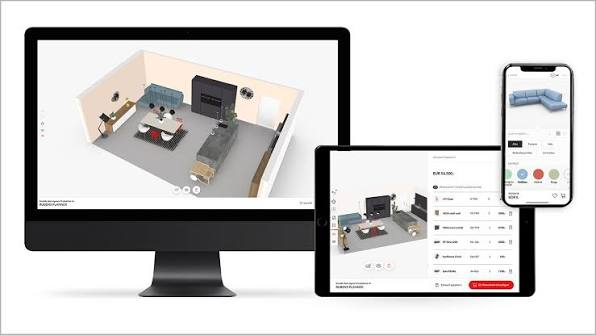
As businesses start using AI, 3D visualization, and augmented reality, product configurator technology is expected to get even more sophisticated.
AI-driven recommendations can assist customers in finding product combinations that meet their needs. Better 3D experiences could also enable customers to look at customized products more realistically.
Online retail, manufacturing, furniture design, the automotive industry, and personalised shopping experiences are only a few industries in which product configurators might play an even bigger role in the future.
The best product configurator can make product customization easier and give customers a more interactive buying experience for businesses. There are various tools available that have varying capabilities for different business requirements, like Threekit, Zakeke, Kickflip, Expivi, and Configit.
When selecting a solution, think about your product complexity, customization requirements, budget, integrations, and customer experience. With the right software, product selection can be made easier, business productivity enhanced, and long-term growth assured.
A product configurator is a piece of software that enables a consumer to modify the product based on various attributes and options, such as features, colors, sizes, materials, and designs.
Threekit, Zakeke, Kickflip, Expivi, and Configit are all popular product configurator platforms. This will depend on the needs of your business.
It enables customers to choose the features of a product by using an interactive interface. The software updates product previews and, in some instances, pricing, depending on their choices.
Yes. Product configurators are useful for small businesses to provide custom-made products, enhance customer engagement, and make online shopping easier.
Product configurators are used in various industries, including furniture, automotive, fashion, electronics, manufacturing, and e-commerce.
Important features include 3D visualization, real-time pricing, easy customization, mobile compatibility, and e-commerce integration.
It can help with product visualization and customization and empower customers to make informed buying decisions, all of which contribute to sales.